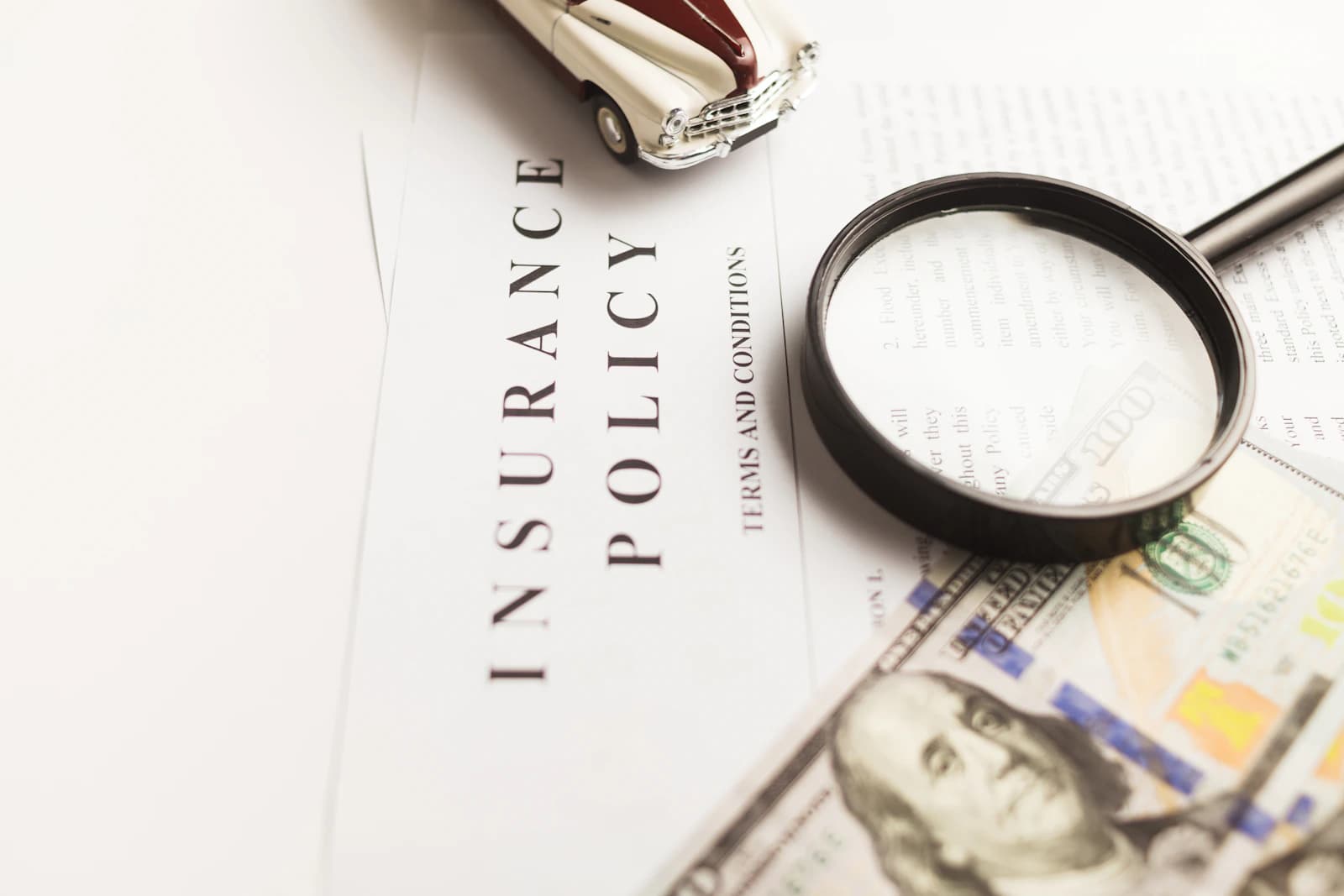
A drone slipping out of a hover and landing on a parked car, or drifting into the roof of someone else's greenhouse, is not a rare story among pilots. This is exactly how a hobby flight quickly turns into a bill. Insurance does not prevent it, but it decides whether you pay for the damage out of your own pocket. Here is how to find out whether you need a policy and what to check before you buy one.
First: what the law requires depends on the country
EU Implementing Regulation 2019/947 mentions insurance in connection with the operator register: the number of the insurance policy is stored there, where insurance is required. Whether insurance is required, and for which flights, differs from country to country. Two examples from the official legal texts:
- Spain: Under Article 8 of Royal Decree 517/2024, operators of drones under 20 kg need liability cover if they fly in Open subcategory A2, in the Specific category or in the Certified category. Other operations under 20 kg are exempt from this duty. From 20 kg, Regulation (EC) No 785/2004 applies.
- Germany: The Air Traffic Act (Luftverkehrsgesetz) counts model aircraft and (depending on their purpose) unmanned aircraft among aircraft (Section 1 (2)), and under Section 43 (2) the keeper of an aircraft must maintain liability insurance for their liability for damage. How this applies in an individual case to your drone and your type of flying, you clarify with your insurer or the Luftfahrt-Bundesamt.
For other countries: look at the pages of the national aviation authority. The rules differ and can change. This guide is not legal advice.
Liability and household contents policies often cover drones differently than people assume
Many pilots believe their existing liability or household contents insurance also covers drone damage because it covers other personal property and private risks. Whether that is true is stated in the policy terms: policies often contain exclusions or conditions for aircraft, and whether a drone falls under them can differ by country, insurer and tariff. A claim for damage from a drone crash can therefore be rejected even if the same policy would pay when, say, a barbecue falls onto the neighbor's fence. If you have never asked your insurer and had drone coverage confirmed in writing, you are better off assuming it does not exist.
Liability matters more than insuring the drone itself
"Drone insurance" can mean two things: cover that repairs or replaces your own aircraft, and liability cover that pays if your drone damages someone else's property or injures someone. For most pilots, the second is the decisive one. A damaged gimbal is annoying, but a liability claim for the windshield of a parked car, or even an injury to a bystander, can be very expensive. If you have to choose between the two for budget reasons, give priority to liability.
For commercial jobs, proof of insurance is often required
If you fly for pay, for example for real estate listings, events or inspections, many clients and venues ask for proof of insurance before you may fly on their premises, and some name a minimum coverage amount. Turning up to a paid job without this proof can mean pilots lose bookings at short notice, not because the client doubts their flying skill, but because the proof has to be in place first. If your flying brings in money in any form, treat commercial liability insurance as a business cost and not as an optional extra. Also check whether your country requires insurance for commercial operations (see above).
Common mistake: an annual premium does not automatically cover all conditions
Some pilots take out an annual policy once and never think about it again. Yet many providers also offer hourly or on-demand cover for occasional flyers, which can be considerably cheaper if you fly only a few times a year. Conversely, frequent flyers sometimes underestimate their risk and have only minimum cover that does not match how often they actually fly. Adapt the type of cover to how you really fly, and review the choice if your flying frequency changes significantly.
What to ask before you sign
Before you sign, get clear answers to these questions: What is the coverage amount per claim? Does the policy exclude flights beyond visual line of sight (BVLOS) or above a certain altitude? Does it also cover flyaways and loss of control, or only damage to third parties? Does it require specific proof for validity, such as a remote pilot qualification or a commercial drone license? Does it also apply abroad when you travel? A policy that looks cheap because it excludes half of your usual flying situations is not a bargain.
You can find more on the basics of the rules abroad in our guides to the EU drone rules from EASA and to drone regulations in Spain. If you take your drone along when traveling, you will find tips in the checklist for packing a drone for travel.
Practical checklist
- Call your liability or household contents insurer and have them confirm in writing what they cover for drone damage, if anything.
- Check with the national aviation authority or in the official legal texts whether a legal insurance requirement applies to your drone and your flights.
- Give priority to liability cover over cover for the drone itself if the budget forces a choice.
- If you fly for pay in any form, take out commercial liability insurance and keep proof of insurance ready for every job.
- Adapt the type of policy (annual, or hourly/on-demand) to how often you actually fly.
- Before signing, check the coverage amount per claim as well as restrictions on altitude, distance, line of sight or qualification.