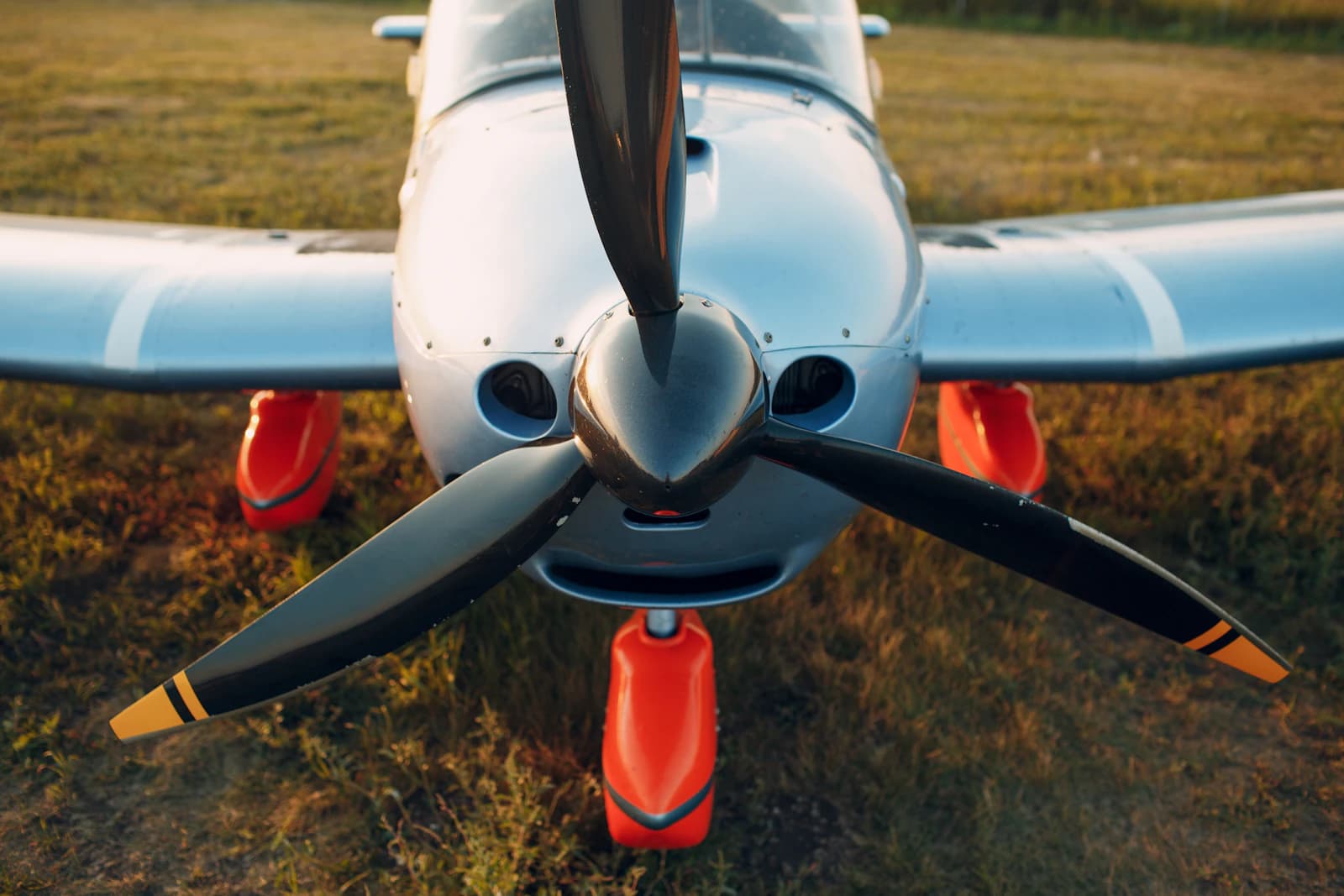
It's tempting to treat propeller guards as a blanket safety upgrade, but they only meaningfully help in specific situations — and in others they mostly cost you performance for no real benefit. Knowing when to mount them and when to leave them off saves you from carrying dead weight most of the time.
What guards actually prevent, and what they don't
Guards reduce the risk of laceration when skin makes direct contact with a spinning blade — that's their core job. They do not prevent a crash, and they do very little to reduce the impact force of a falling drone. A 500g drone falling 1.5 meters onto someone's head still delivers a real impact whether or not it has guards — guards turn a "cut" into a "bruise," they're not a substitute for altitude and distance discipline.
Extra weight costs you flight time and responsiveness
A typical guard set adds roughly 10-20% to airframe weight, which translates directly into faster battery drain. Pilots commonly report 10-15% less usable flight time on the same battery once guards are on. Guards also add surface area that catches crosswind, so in anything above roughly 5 m/s wind, the drone gets pushed around more and hover stability noticeably degrades. Indoors, where there's no wind, this tradeoff barely matters; outdoors in gusty conditions, it's very noticeable.
When guards should be your default
Crowded indoor venues, STEM demos or hands-on flights with kids, and training flights with beginners who aren't yet confident with emergency stops and low-altitude hovering are all situations where guards should be the default, not the exception. A large share of beginner incidents happen during the final low-altitude moments before landing, when hands or feet are closest to the aircraft — that's exactly when a guard's presence or absence matters most. If you're planning commercial operations over people, check in advance whether your jurisdiction actually recognizes guards as an accepted means of mitigating injury risk — in some categories, guards alone don't satisfy the requirement.
Rigid vs. flexible materials behave differently
Rigid plastic guards hold their shape on impact and reliably block direct contact, but when they snag on a wall or branch, that snag transfers straight into the airframe and can trigger a crash on its own — a common failure mode in tight indoor spaces. Flexible mesh or foam guards are more forgiving of snags but can collapse under a hard direct hit, reducing their protective value right when it matters most. As a rule of thumb, favor flexible materials in cramped, obstacle-heavy interiors, and rigid materials in open spaces where the main risk is a brief pass near a bystander.
Common mistakes
The most common mistake is assuming that mounting guards means you can shrink your standoff distance from people. Guards reduce harm on contact — they don't replace the underlying distance rules. Another is flying with the same habits after adding guards without accounting for the added weight; pilots often don't notice that the aircraft responds more sluggishly to the same stick input, which delays evasive maneuvers by a beat. The first time you fly with new guards, test hovering and emergency-stop response somewhere with no people around before flying near anyone.
Practical checklist
- Decide upfront whether today's flight is near people, animals, or inside an enclosed space.
- Measure and log how much max flight time drops once guards are mounted, rather than assuming a fixed percentage.
- Re-evaluate flying at all if wind is forecast above roughly 5 m/s, since guards amplify crosswind drift.
- Favor flexible materials in tight interiors, rigid materials in open spaces.
- Never treat mounted guards as a reason to reduce your standoff distance from people.