EU Drone Class & Subcategory Checker
Choose your drone's class label (C0–C4) and weight to see which EU open-category subcategory (A1, A2, A3) applies, and what training and registration you need.
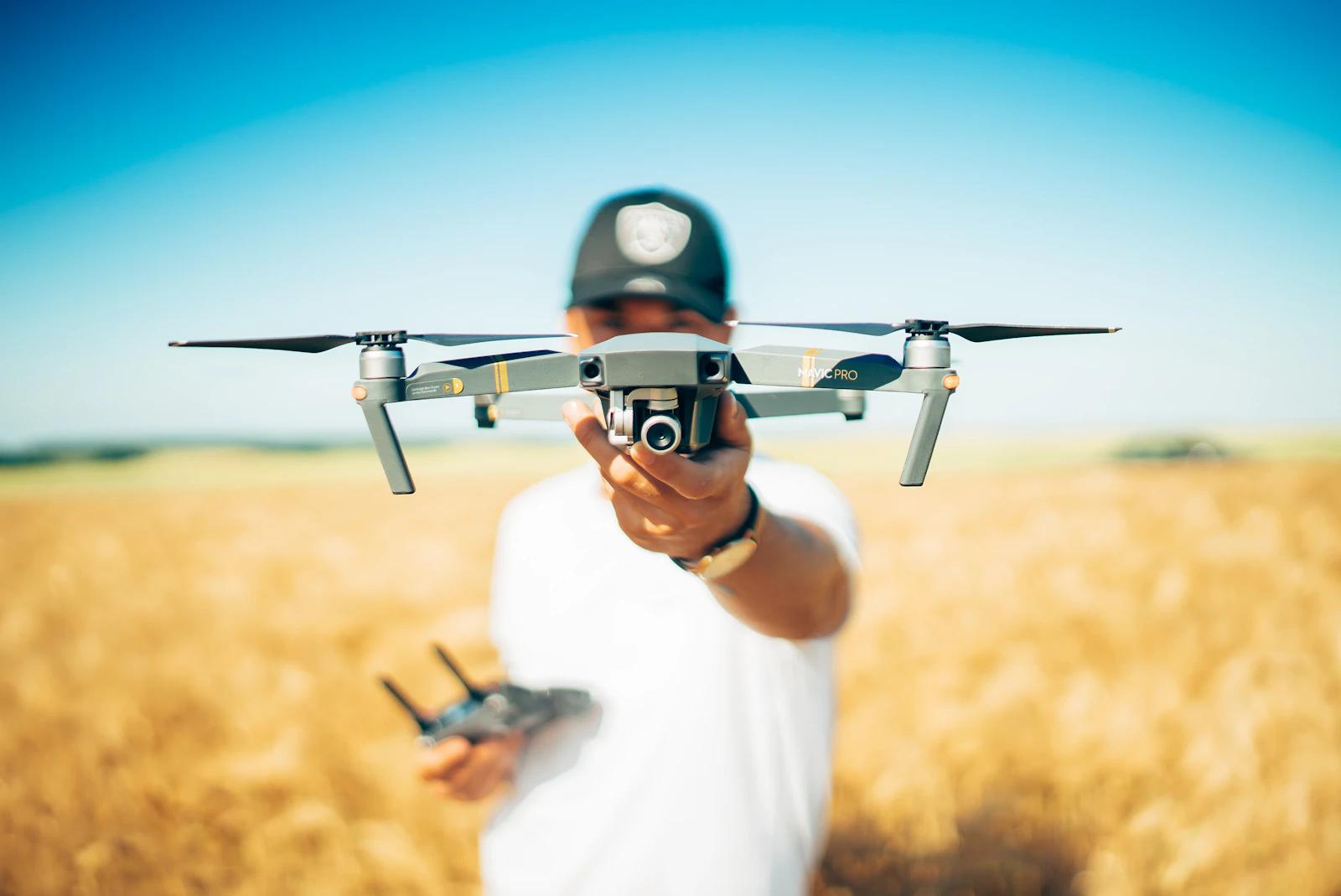
A drone carrying the C1 label, under 900 g, with built-in Remote ID.
Result
- A1 – close to peopleYou may fly close to people but never over assemblies of people, and you should avoid flying over uninvolved people.
- A3 – far from peopleFly at least 150 m from residential, commercial, industrial or recreational areas, where no uninvolved people are at risk.
- Training
- Pass the A1/A3 online training and exam.
- Operator registration
- Required.
- Remote ID
- Direct Remote ID must be built into the drone.
- Mass limit
- Under 0.9 kg
Open category basics: keep visual line of sight (some exceptions), fly at most 120 m above ground, carry no dangerous goods and drop nothing, never fly over assemblies of people, and keep the drone under 25 kg.
Minimum age, insurance and registration details differ by country and extra rules may apply. Check your national aviation authority before flying.
Official sources
- EASA – Open category (low-risk civil drones)
- EASA FAQ – drone categories
- Germany uas-betrieb.bund.de – C-classified drones
Cross-checked against official EASA, German and Spanish guidance in November 2026. Rules can change, so check the latest guidance before you fly.
Results are based on your inputs and general assumptions, for reference only. Before a flight or trip, check the manufacturer's manual, your airline's guidance and local regulations.
How to use
- Find the class label (C0–C4) on your drone and pick the same option. With no label, choose "No class label" or "Privately built".
- For an unlabelled or home-built drone, enter its maximum take-off mass in grams.
- For drones under 250 g, say whether it has a camera or sensor.
- Read the subcategories, training, registration and Remote ID in the result, then confirm the latest rules through the official links.
How the result is decided
The EU open category divides flying by the drone's class label and mass. C0 (under 250 g) and C1 (under 900 g) fly in A1 and A3, C2 (under 4 kg) in A2 and A3, and C3 and C4 (under 25 kg) in A3. C5 and C6 are for the specific category only.
Existing drones without a label are sorted by weight: under 250 g in A1 (A3 included), 250 g to under 25 kg in A3, and 25 kg or more falls outside the open category. This checker summarises the key points of official guidance such as EASA's; it is a reference, not legal advice.
Frequently asked questions
Where do I find the class label?
Drones sold in the EU from 2024 carry a C0–C4 label on the aircraft and its packaging. It also appears in the user manual and the manufacturer's declaration of conformity.
Are drones under 250 g free of rules?
No. Even under 250 g, a drone with a camera or sensor (other than a toy) needs operator registration, and the open-category basics, such as the 120 m limit and no flights over assemblies of people, plus national rules still apply.
When is A2 used?
When you want to fly a C2 drone closer to people (30 m horizontally, 5 m in low-speed mode). It needs an A2 certificate, which involves training and an exam.
Does this apply outside the EU?
These rules apply in EU member states, and some other European countries use similar frameworks. The UK and other countries have their own rules, so check the national aviation authority.
Check weather and Kp before you fly
Once you have your numbers, check wind, temperature and the Kp index for your flight area on the dashboard.
Guides worth reading next
- EU EASA Drone Regulations: The BasicsHow EASA's EU rules work with national authorities: the Open, Specific, and Certified categories, C0-C6 class marks, and why registration is not a permit.
- Remote ID Requirements ExplainedWhat a drone broadcasts under FAA Remote ID, the three ways to comply, how the 250-gram registration exemption works, and where to check the rules.