Drone Battery Carry-on Check
Convert battery capacity (mAh) and voltage to watt-hours and see which airline carry-on class each battery falls into.
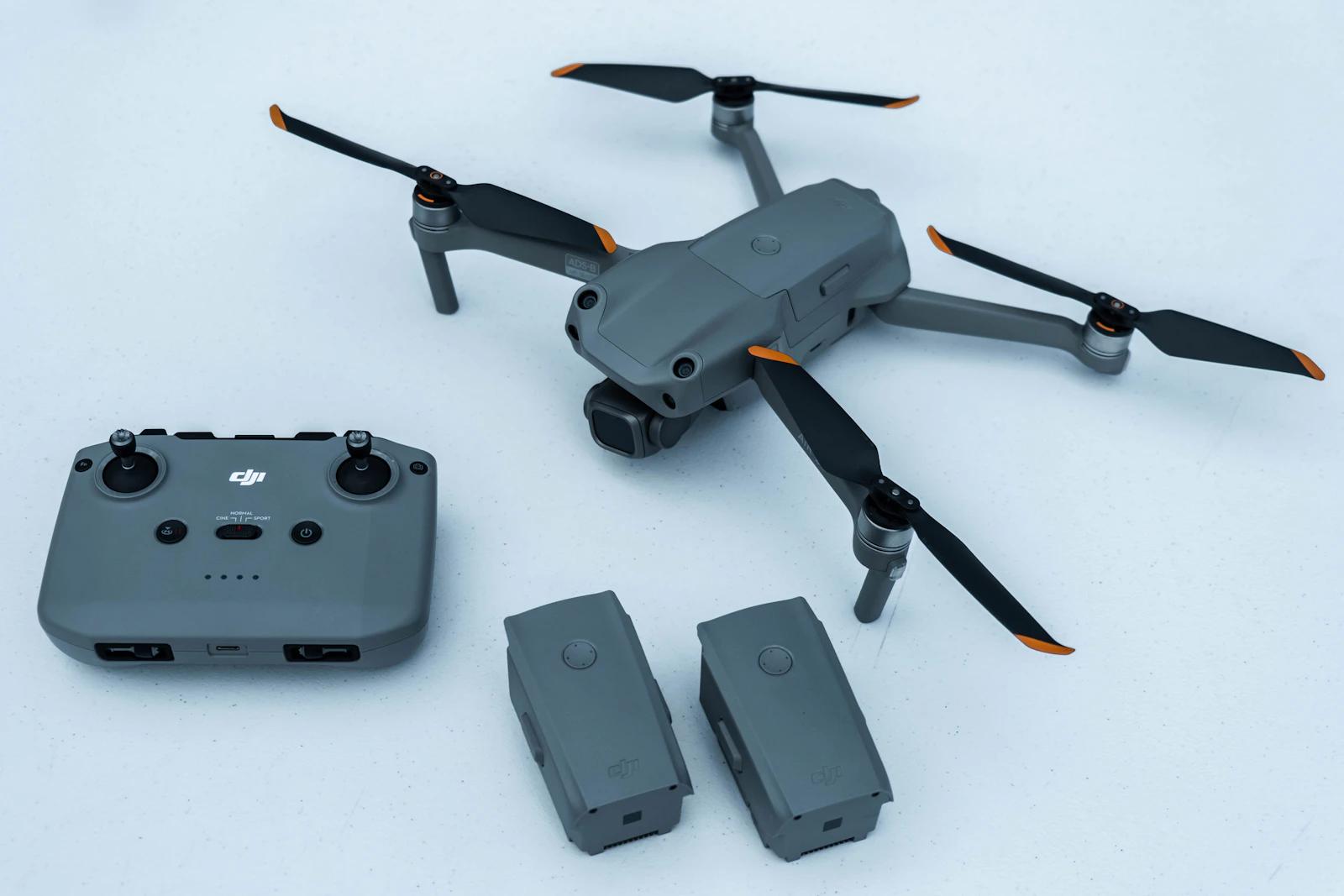
Battery 1
The nominal voltage on the battery label.
Result
- Battery 1 × 3 · 77 Wh eachUp to 100 WhFalls in the standard carry-on class. Spare batteries must travel in carry-on, not checked baggage, and quantity limits vary by airline.
Rules at a glance (spare batteries)
| Class | Carry-on | Checked bag | Airline approval | Quantity |
|---|---|---|---|---|
| Up to 100 Wh | Allowed | Not allowed | Not required | Varies by airline |
| Over 100 Wh to 160 Wh | Allowed | Not allowed | Required | 2 per person |
| Over 160 Wh | Not allowed | Not allowed | Not allowed | — |
How the rules apply to a battery left installed in the aircraft can differ by airline, so check with your airline before flying.
Prevent short circuits. Cover the battery terminals (+/−) with insulating tape, or keep each battery in a battery case, protective pouch or its original packaging.
Official guidance
Checked against FAA and IATA passenger guidance as of November 2026. Rules can change and differ by country and airline, so confirm with your airline before you travel.
Results are based on your inputs and general assumptions, for reference only. Before a flight or trip, check the manufacturer's manual, your airline's guidance and local regulations.
How to use
- Find the Wh rating on the battery label. If it is there, pick "Wh printed on the label" and enter it.
- If there is no Wh, enter capacity (mAh) and voltage (V). If you carry batteries of different capacities, add them as separate types.
- Check each battery's class (up to 100 Wh / 100–160 Wh / over 160 Wh) and the total quantity.
- Before you travel, read your airline's lithium battery guidance, insulate the terminals and carry the batteries in the cabin.
How it is calculated
Wh = voltage (V) × capacity (Ah), and mAh is divided by 1000 to get Ah. For example a 5000 mAh, 15.4 V battery is 5 × 15.4 = 77 Wh. FAA and IATA both give this same formula.
The classes follow FAA and IATA passenger guidance: up to 100 Wh is standard carry-on, over 100 Wh up to 160 Wh needs airline approval (two spares per person), and over 160 Wh cannot go on a passenger aircraft. Spare batteries must always travel in the cabin.
Frequently asked questions
My battery has no Wh printed on it.
Calculate it from the label's voltage (V) and capacity (mAh): Wh = V × mAh ÷ 1000. Example: 5000 mAh × 15.4 V ÷ 1000 = 77 Wh. Lithium-ion batteries normally carry a Wh rating, so look at the label first.
Can I put drone batteries in checked baggage?
FAA and IATA both say spare (loose) lithium batteries must be carried in carry-on baggage, not checked baggage. The same applies to drone batteries.
Can't I take a battery over 100 Wh?
Over 100 Wh up to 160 Wh can go in the cabin with airline approval, limited to two spares per person. Anything over 160 Wh cannot be carried on a passenger aircraft.
Are the rules the same as for power banks?
No. Power banks are seeing separate, stricter airline limits on quantity and use. Treat drone batteries under the spare-battery rules above, and check your airline's latest guidance.
Check weather and Kp before you fly
Once you have your numbers, check wind, temperature and the Kp index for your flight area on the dashboard.
Guides worth reading next
- Packing a Drone Travel Bag: ChecklistHow to pack drone batteries, propellers and accessories for air travel: carry-on rules from the FAA, Korea's power bank standard, heat, gimbal protection and spares.
- Drone Battery Care: Tips to Extend Battery LifespanPractical LiPo battery care habits that extend usable life: storage charge, temperature, not draining to zero, cooling before charging, and regular inspection.